New UPSC Foundation, Optional and TGPSC/APPSC batches are open — book your counselling slot.Today's Current AffairsToday's Daily QuizCall 98804 87071

Pragnya Daily · 6:00 am IST

UPSC Daily Current Affairs Analysis

Every morning our editors scan The Hindu, Indian Express, Times of India, PIB, Down To Earth, RBI, ministries, the World Bank, IMF and UN agencies, and turn the 10 most exam-relevant stories into syllabus-mapped analysis with infographics, Prelims MCQs and Mains model answers.

10 stories dailyGS paper mappingInfographicsPrelims MCQsMains model answers

Today's edition

Saturday, 31 October 2026

10 analysed stories

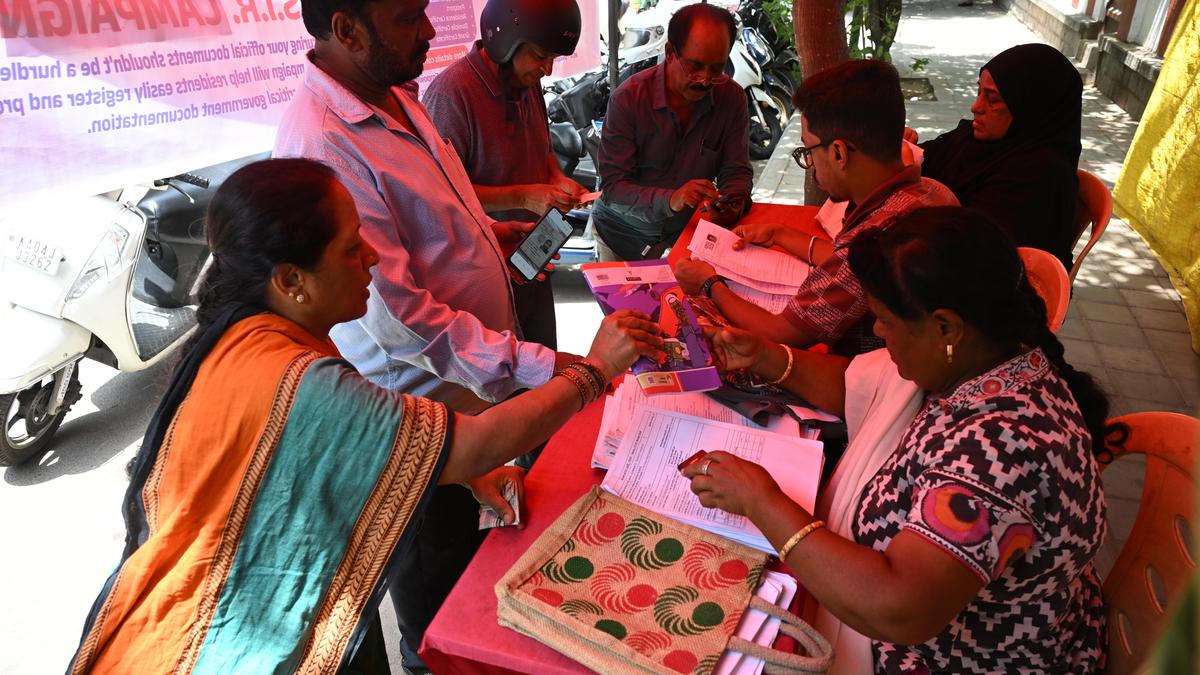
Reference image accompanying coverage of Supreme Court scrutiny of alleged Form 7 misuse in Uttar Pradesh and safeguards against wrongful voter deletion; not a photograph of the court proceedings.#1
Polity & GovernanceGS 2

Electoral Roll SIR: Supreme Court Scrutiny, Statutory Powers and Voter Safeguards

The Supreme Court has sought an Election Commission compliance report on alleged Form 7 misuse in Uttar Pradesh, while appeals against judicially restored voters in West Bengal have raised questions about officials’ authority. These developments highlight the need to reconcile accurate electoral rolls with lawful decision-making, protection against wrongful deletion and effective appellate remedies.

Reference image from coverage of the DPDP Act challenge: the case concerns the balance between personal privacy, journalism and public accountability through RTI. The issues remain undecided.#2
Polity & GovernanceGS 2

DPDP Act Challenge: Reconciling Privacy, RTI and Public Accountability

The Digital News Publishers Association has challenged the Digital Personal Data Protection Act, 2023 and its Rules, raising concerns about their impact on journalism and access to personal information under the RTI Act. The Supreme Court has issued notice and emphasised balancing press freedom with privacy; the central issue is whether data protection safeguards can coexist with effective scrutiny of public functionaries.

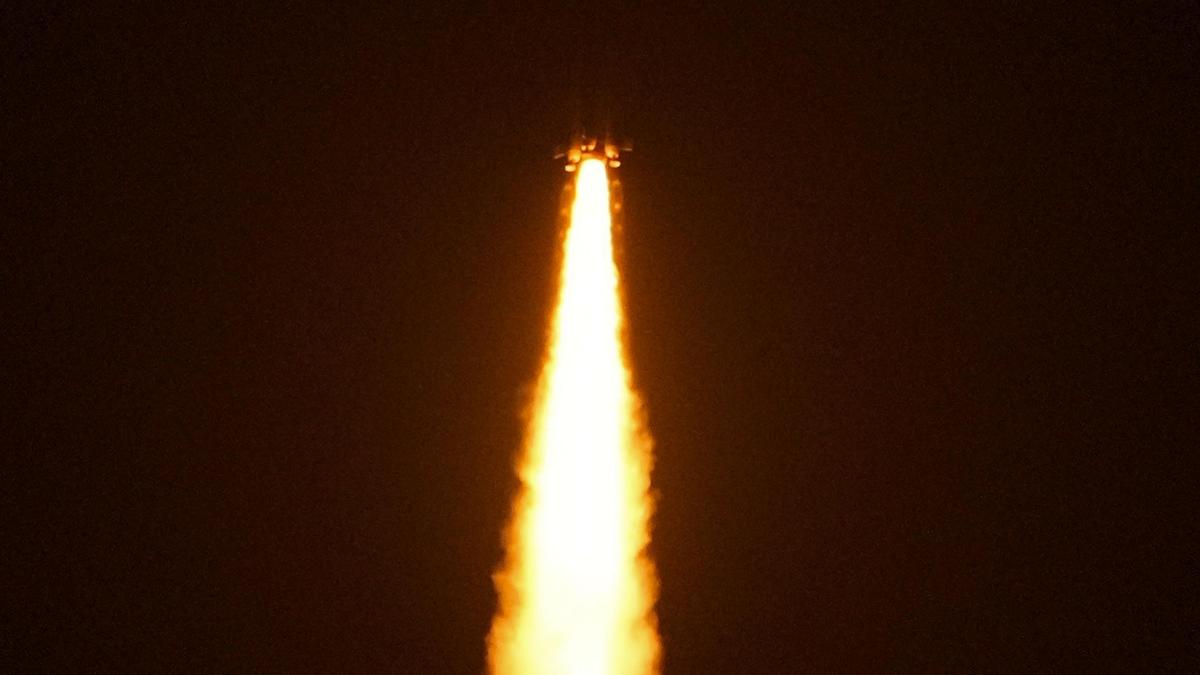
Photo from the source report: NVS-03 Launch: NavIC Architecture, Indigenous Atomic Clocks and Sovereign Navigation#3
Science & TechnologyGS 3

NVS-03 Launch: NavIC Architecture, Indigenous Atomic Clocks and Sovereign Navigation

ISRO’s GSLV-F18 successfully placed NVS-03 into its intended geosynchronous transfer orbit, advancing efforts to restore NavIC’s navigation services after satellite and atomic-clock failures. Carrying an indigenous atomic clock alongside procured clocks, the satellite strengthens India’s pursuit of reliable, sovereign positioning, navigation and timing services, although launch success must be followed by orbital deployment and operational validation.

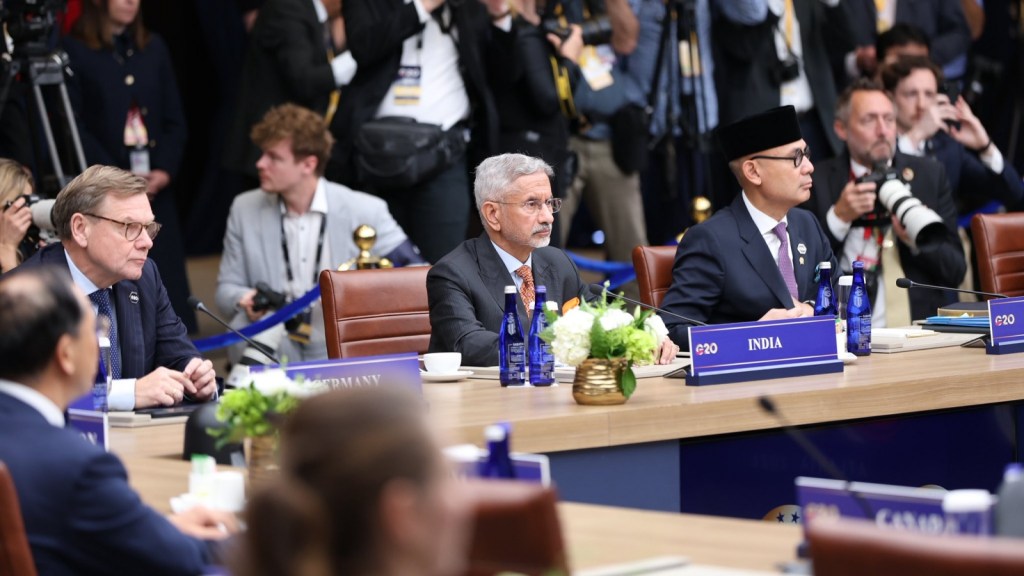
S. Jaishankar at the G20 Foreign Ministers’ meeting, where India called for consistent opposition to terrorism and protection of civilian shipping.#4
International RelationsGS 2 & 3

G20 Atlanta Meeting: India on Terrorism, Maritime Security and Global South Vulnerabilities

At the G20 Foreign Ministers’ meeting in Atlanta, External Affairs Minister S. Jaishankar called for consistent opposition to terrorism, protection of civilian shipping and diplomacy to address conflicts. India linked maritime insecurity and coercive trade practices to the Global South’s economic vulnerabilities, while divisions over Ukraine, Iran and sanctions constrained prospects for collective G20 action.

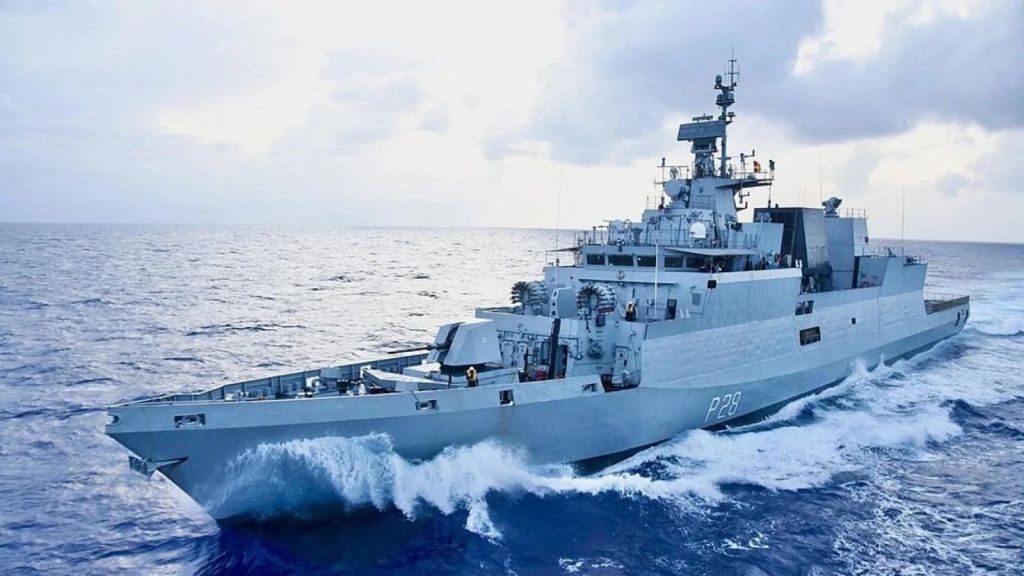
Reference image of an Indian Navy Kamorta-class stealth corvette, illustrating an existing corvette platform. It is not one of the eight proposed next-generation ships, which are intended to expand the Navy’s multirole capabilities.#8
Security & DefenceGS 3

Eight Next-Generation Corvettes: Naval Modernisation and Indigenous Shipbuilding

The Cabinet Committee on Security has reportedly approved an over-₹40,000-crore project for eight next-generation corvettes for the Indian Navy, with deliveries expected to begin by 2030. Based on an indigenous naval design, these multirole stealth warships are intended to strengthen maritime surveillance and combat capabilities while reducing the operational burden on larger frontline ships.

Photo from the source report: Himachal Ecology: SC Panel Seeks Carrying-Capacity Limits and Stronger Project Safeguards#9
Environment & EcologyGS 3

Himachal Ecology: SC Panel Seeks Carrying-Capacity Limits and Stronger Project Safeguards

The Supreme Court has accepted the Central Empowered Committee’s first report on ecological concerns in Himachal Pradesh and sought the state government’s response to its recommendations. The panel advocates scientific tourism limits, stronger safeguards for hill roads, basin-level hydropower planning and independently verified afforestation, highlighting the need to assess development against Himalayan ecological limits.

Free UPSC daily current affairs quiz — 10 questions, new every day at 8 am IST.

Call nowWhatsApp